SPEAKING & PRESENTATIONS

I work with psychologists, teachers, and professional organisations to build knowledge and capability in understanding and responding to complex psychological, forensic, and safeguarding contexts, and translating this into everyday practice.
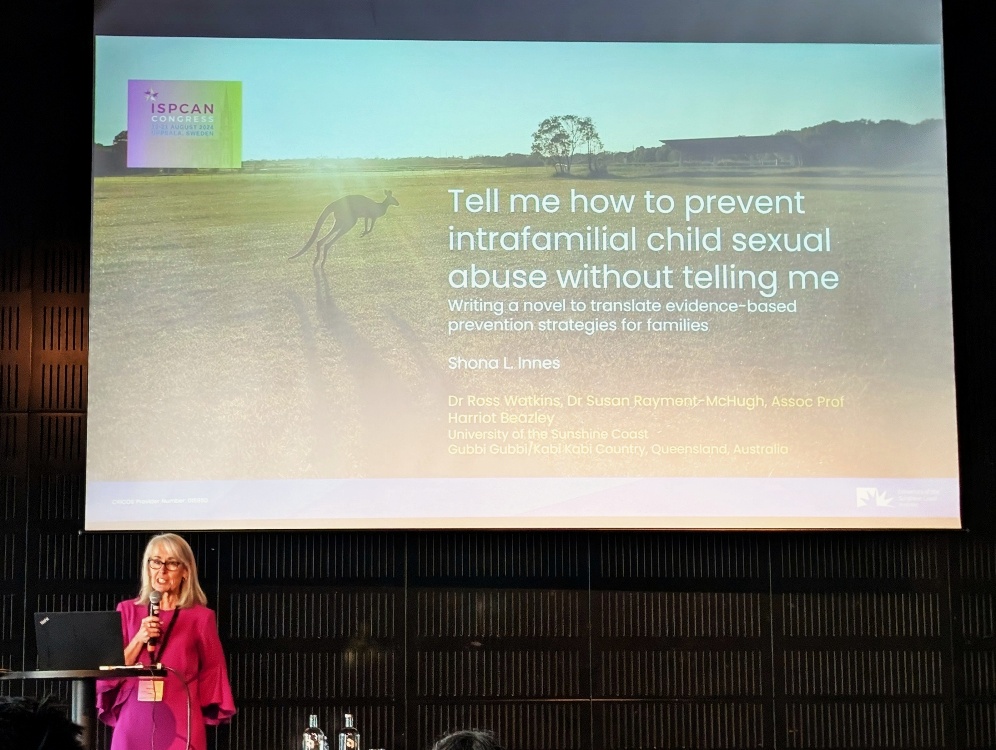
I design and deliver presentations, workshops, and professional development sessions for psychologists, teachers, school leaders, and other professionals working across clinical, forensic, educational, and community settings.

Working collaboratively with organisations, and mindful of the intended audience, the focus of this work is building shared understanding and capability. The aim of presentations is to leave participants or audience members with a better comprehension of what can be very complex psychological knowledge and ideas for the ways they can use that knowledge in practical, everyday decision-making to support the individuals, families, student and young people they work with.

Presentations typically explore:
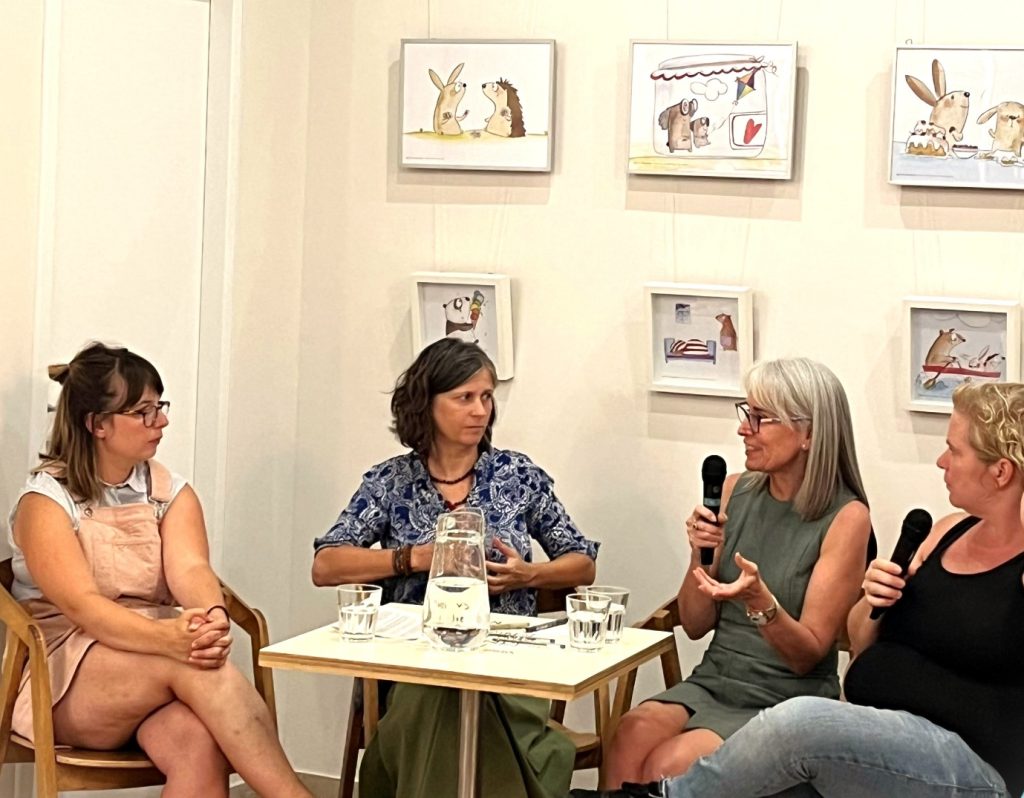
  • scaffolding and strengthening professional skills in working with complexity in psychological and educational settings – especially for issues and topics that many find difficult to talk, or even think, about.
  • forensic and supervisory practice, including work with individuals who have engaged in harmful behaviour, and those who have been harmed or impacted
  • system responses to risk, responsibility, and safeguarding across clinical, forensic, and community contexts
  • grounding knowledge and actions in an understanding of emotional development, regulation, and behaviour in context
  • incorporating child agency, participation and voice into understanding and responding to issues that impact young people
  • communication and relational dynamics in schools, families, and systems
  • safety, risk, and protective factors across childhood and adolescence
  • informing individual, family and organisational responses to news events, media narratives, and public discourse that potentially impact safety and risk in children, young people, and communities.

Approach

The core of this work is translation and capability-building.

Rather than focusing on theory alone, sessions are grounded in real-world examples and the kinds of decisions professionals, schools, and communities face every day.

The aim is not to simplify complexity, but to make it more accessible, usable, and meaningful in practice.

A key focus is supporting people to think clearly about the complex systems that impact their lives or work, where there is often no single or straightforward answer.

Example topics

  • Talking to children about tricky or taboo topics in everyday ways
  • Understanding and responding to harmful sexual behaviour in schools
  • Understanding and responding to harmful sexual behaviour in families
  • What parents (and children) need to know to safeguard against intrafamilial abuse
  • Formulating and choosing treatment targets for risk-reduction work with those who have offended
  • Disability and offending – assessing risk and devising plans for safety and support
  • Working with complexity in forensic and supervisory contexts
  • What being trauma-informed and child-centred actually looks like
  • How children’s literature can show inform us about whether child abuse prevention messages are effectively reaching communities

Who this is for

These sessions are designed for:

  • psychologists and psychology teams
  • teachers and school leadership
  • school wellbeing and support staff
  • allied health and community professionals
  • organisations working with children, young people, and families
  • professional groups seeking applied, systems-informed learning

All presentations are tailored to audience needs, context, and level of experience, with a focus on relevance, clarity, and practical application.

If you would like to discuss a presentation or professional development session, you are very welcome to get in touch. I’m always interested in hearing specific enquiries and considering new collaborations.